

Aug 1, 2026, 8:00:00 AM
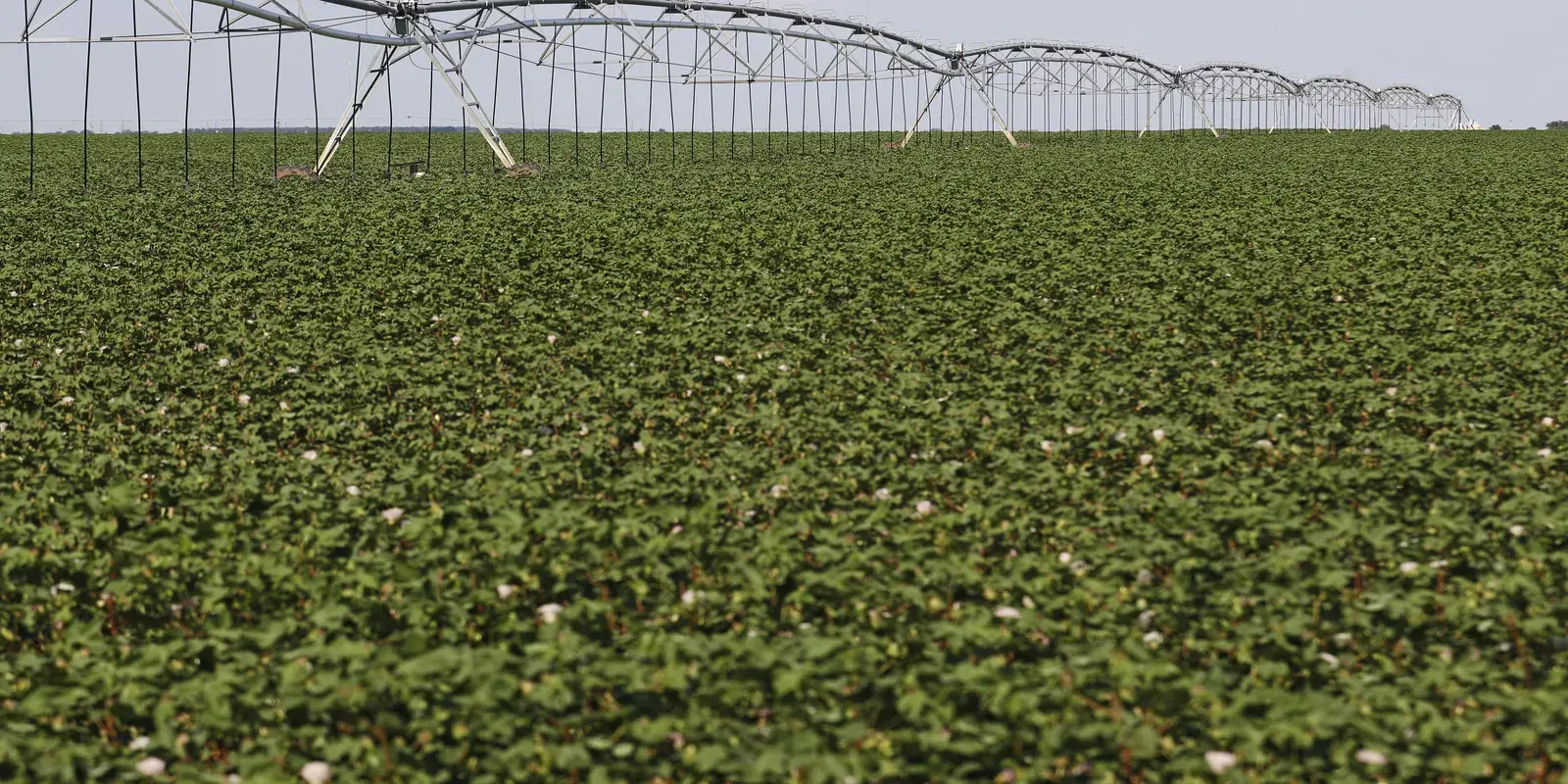
By the time August rolls around, most West Texas growers have a pretty good read on their crop. Stands are set, inputs are largely committed, and now it comes down to execution during one of the most important windows of the season - boll development.
At this stage, protecting yield is less about big decisions and more about making the right moves with consistency across every acre.
Heat Stress: Managing What You Can Still Control
Triple-digit days aren't new - but how each field responds can still vary.
You've likely already separated your strongest acres from your marginal ground. Now the focus shifts to:
- Prioritize resources where yield potential is still strong
- Monitoring plant response during extended heat stretches
- Watching variability that becomes for visible this time of year
Using layers field data - whether though yield history or in-season tracking - can help guid those decisions without second-guessing where to spend time.
Irrigation Strategy: Efficiency Over Output
For irrigated acres, August is about using what you have as efficiently as possible.
Most operations are already adjusting to lower capacities. Now it becomes:
- Maintaining moisture through boll fill without overshooting
- Aligning final irrigation timing with realistic yield ceilings
- Pulling back where additional water won't convert
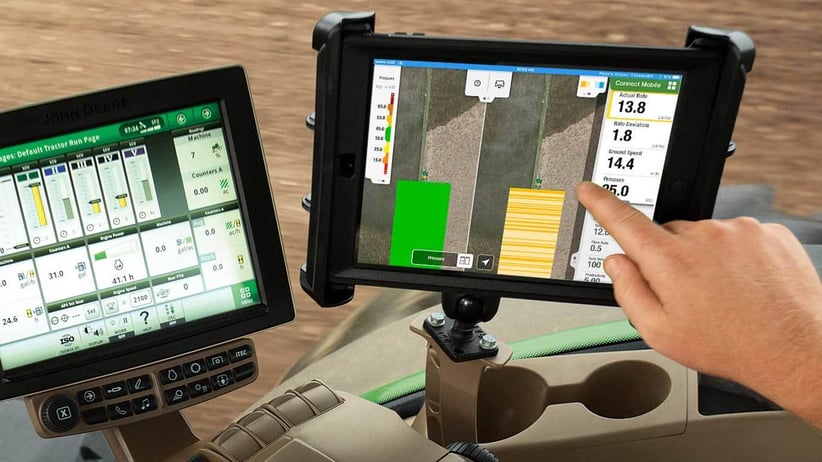
Operations that are leveraging connected platforms like John Deere Operations Center™ to monitor field conditions tend to make faster, more confident calls - especially across mixed irrigation setups.
Late-Season Applications: Precision Still Matters
Bollworms and aphids don't always come in heavy - but when they do, timing and accuracy matter more than ever.
Most established producers are already shifting toward:
- Threshold-based, field-specific applications
- Tight, efficient passes instead of broad coverage
- Adjusting rates based on pressure and crop stage
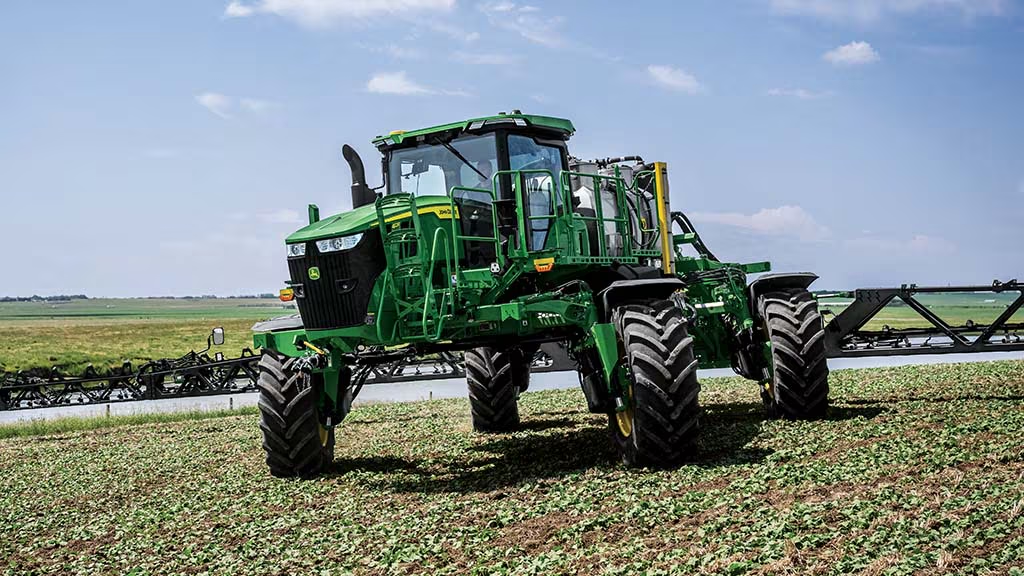
Application equipment plays a quiet but critical role here. Machines equipped with section control and rate management - like what you'll find across today's John Deere sprayer lineup - help reduce overlap and keep input costs aligned with actual need.
Field Clean-Up Before Harvest Pressure Builds
Late-season weed control isn't about aesthetics - it's about harvest efficiency.
Even in strong cotton:
- Weeds can slow stripper and picker movement
- Impact module quality
- Create unnecessary friction when timing is tight.
Targeted cleanup - especially in known problem areas - helps avoid bigger slowdowns later.
Equipment Downtime Isn't an Option
At this point in the season, downtime carries more risk than earlier in the year.
Most issues aren't major - but August has a way of exposing small ones:
- Nozzle wear affecting application accuracy
- Plugged or restricted filters under heavy use
- Tire wear across long hours in the field
Staying ahead of those details - especially on high-hour sprayers and support equipment - can prevent disruptions during critical windowns.
Finishing Strong
For most West Texas operations, August isn't about changing direction - it's about tightening execution.
At South Plains Implement, our role is simple - help you stay running and make the most of what's already in the field.
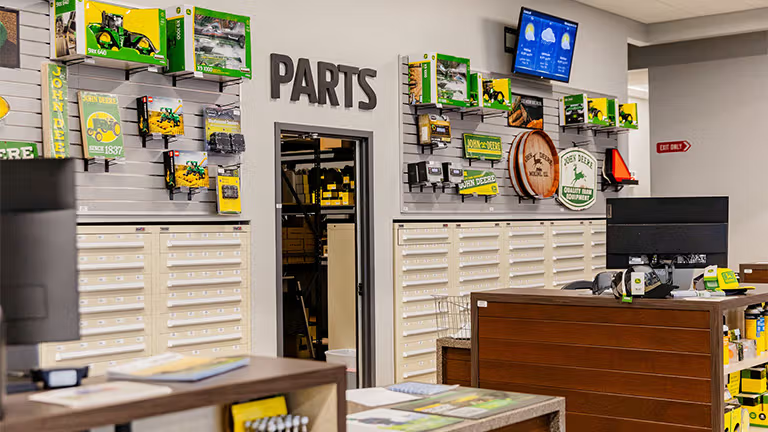
- Parts on hand when you need them
- Service support during the busiest stretch
- Precision ag tools that help refine decisions, not complicate them
Stop by your nearest South Plains Implement location or give us a call if you need support finishing out the season.


